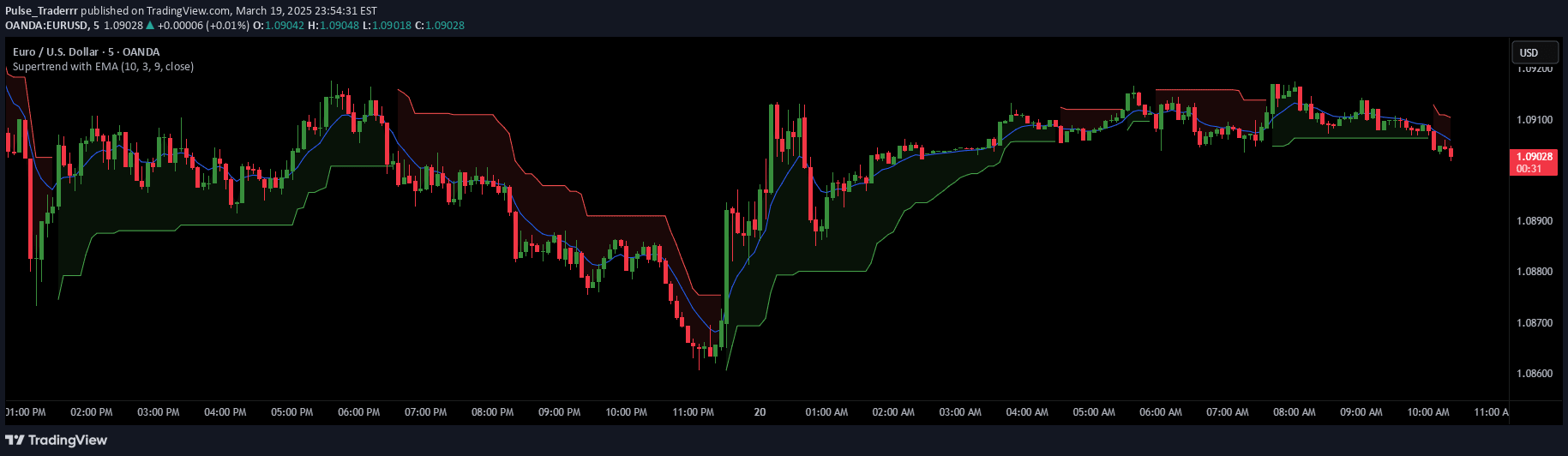
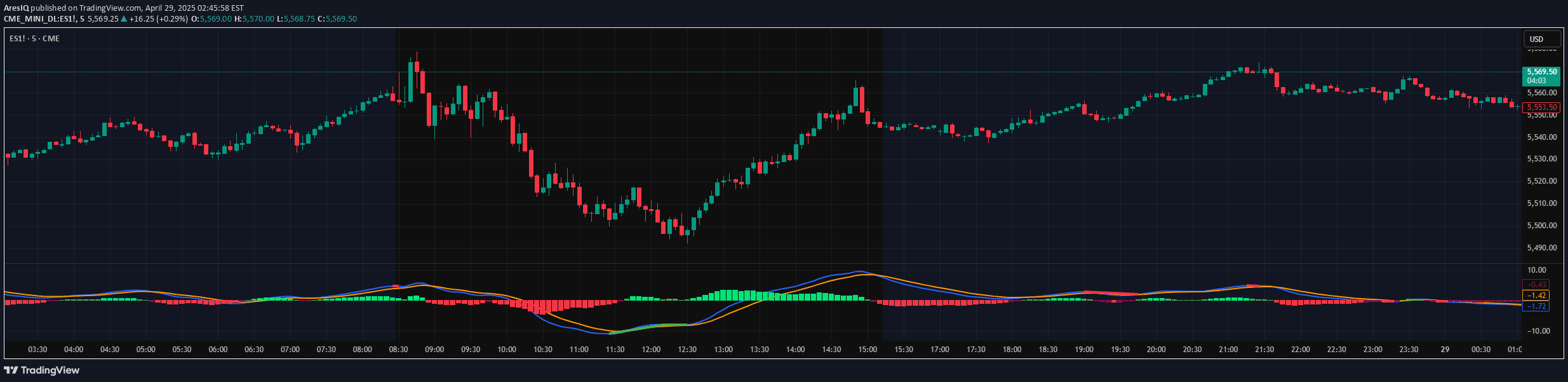
A precise moving average technique that allows fractional period calculations by intelligently blending two different exponential moving averages for ultra-fine trend tracking.
Explore complementary indicator rolesHow it works
The fractional EMA technique starts by identifying the whole number periods immediately below and above the desired decimal period. For example, with a 2.7 period, it calculates standard EMAs for both 2 and 3 days. The script then creates a weighted blend of these two EMAs, proportionally mixing their values based on proximity to the target decimal.
By intelligently interpolating between whole number EMAs, the method generates a smoothed moving average line that precisely reflects the specified fractional period. This approach allows traders to create extremely nuanced trend tracking indicators that go beyond traditional integer-based moving averages.
Why it may be useful
Traditional moving averages are limited by whole number periods, which can miss subtle trend nuances. This fractional EMA method provides traders with unprecedented precision in trend analysis, allowing for more refined and responsive indicator settings. By enabling micro-adjustments to moving average calculations, traders can potentially capture more accurate trend signals.
The technique represents a significant advancement in technical analysis, offering a more sophisticated approach to trend identification. It empowers traders to fine-tune their strategies with greater granularity, potentially improving the sensitivity and reliability of trend-following indicators across various market conditions.
When to explore it
This fractional EMA technique is particularly valuable in volatile or range-bound markets where traditional moving averages might provide less precise signals. Traders can leverage this method when they need extremely refined trend tracking, such as during periods of market uncertainty or when testing sophisticated trading strategies.
It works exceptionally well for traders seeking to minimize lag and maximize trend responsiveness. The method is especially useful for algorithmic and quantitative traders who require high-precision indicators. By allowing decimal-point period adjustments, it enables more nuanced backtesting and strategy optimization across different timeframes and market instruments.
Keep exploring
What we’ve verified
Access, alerts and repainting behaviour have not been independently verified for this indicator. Check the creator’s current publication and settings.
General descriptions and classifications are recovered research. Verified details above identify the specific checks we have completed. Check the creator’s current publication for later changes.