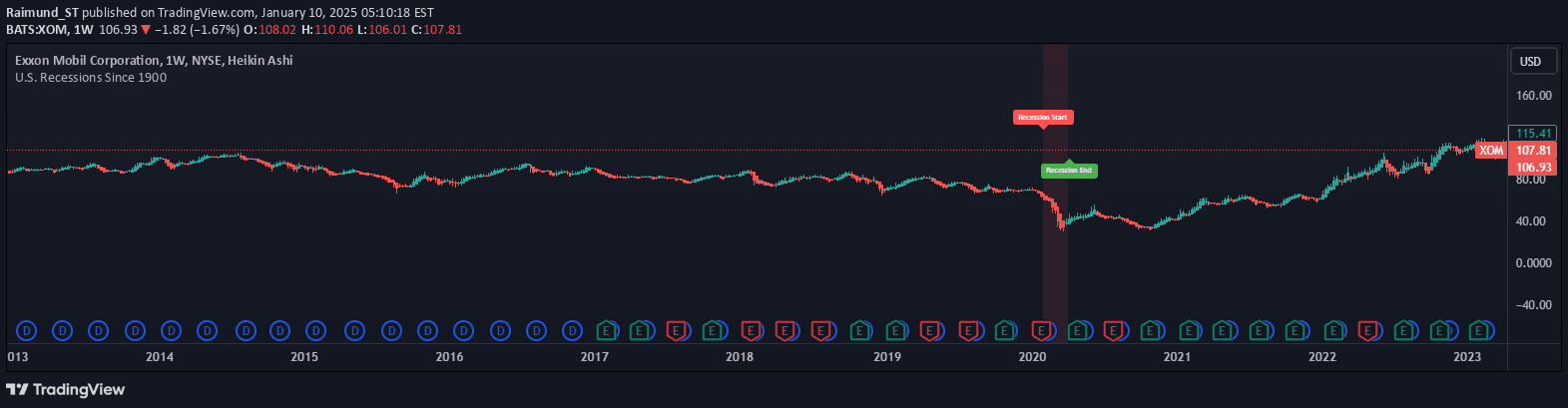
Federal Reserve's monetary policy strategy of expanding or reducing balance sheet through buying or selling securities to manage economic conditions and market liquidity.
Explore complementary indicator rolesHow it works
Quantitative Easing (QE) involves the Federal Reserve purchasing government securities and bonds to increase money supply and stimulate economic activity. By injecting liquidity into financial markets, the Fed aims to lower interest rates, encourage lending, and support economic growth during challenging periods.
Quantitative Tightening (QT) is the opposite process, where the central bank reduces its balance sheet by allowing securities to mature without reinvesting the proceeds. This strategy helps control inflation, normalize monetary policy, and gradually withdraw excess liquidity from the financial system.
Why it may be useful
QE and QT are critical monetary policy tools that significantly impact financial markets, investment strategies, and overall economic conditions. These strategies provide insights into central bank thinking, influence asset prices, and create potential trading opportunities across various financial instruments.
Traders and investors closely monitor these policy shifts as they can affect stock markets, bond yields, currency valuations, and broader economic sentiment. Understanding these mechanisms helps market participants anticipate potential market movements and adjust their investment strategies accordingly.
When to explore it
QE is typically employed during economic downturns, financial crises, or periods of low inflation to stimulate economic activity and prevent potential recession. It is most effective when traditional monetary policy tools like lowering interest rates have been exhausted or become less impactful.
QT is generally implemented during periods of economic recovery, strong growth, or rising inflation. Traders should pay close attention to these policy shifts when considering long-term investment strategies, as they can signal changing economic conditions and potential market transitions.
Keep exploring
What we’ve verified
Access, alerts and repainting behaviour have not been independently verified for this indicator. Check the creator’s current publication and settings.
General descriptions and classifications are recovered research. Verified details above identify the specific checks we have completed. Check the creator’s current publication for later changes.