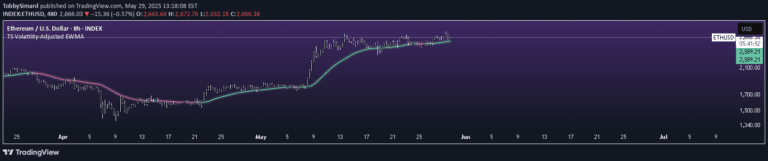
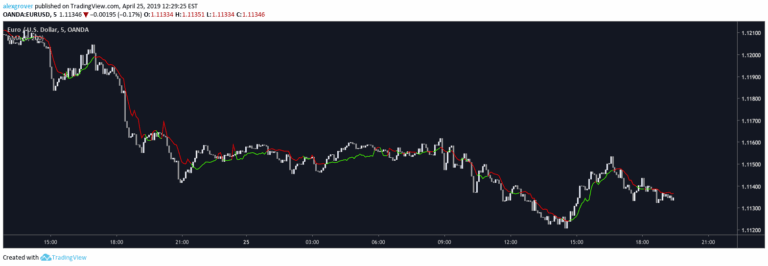
A signal that visually tracks Bitcoin mining difficulty adjustments using color-coded background columns, highlighting positive and negative changes in network difficulty levels.
Explore complementary indicator rolesHow it works
The indicator creates background columns on a daily chart to represent Bitcoin mining difficulty adjustments. Green columns indicate positive adjustments, while red columns represent negative adjustments.
By using threshold mode, the signal identifies and highlights difficulty changes that meet or exceed a specified threshold value. This visualization helps traders quickly understand the network's mining complexity dynamics and potential implications for Bitcoin's ecosystem
Why it may be useful
Bitcoin mining difficulty adjustments are crucial for understanding the network's health and miners' economic conditions. These color-coded columns provide immediate visual insights into network changes, helping traders and investors assess potential impacts on Bitcoin's price and mining profitability.
By tracking difficulty trends, users can gain a deeper understanding of network dynamics, miner sentiment, and potential market reactions to significant mining landscape shifts
When to explore it
This signal is most effective for long-term cryptocurrency investors and traders interested in Bitcoin's fundamental network metrics. It works best when analyzing broader market trends, assessing mining ecosystem changes, and understanding long-term network health.
Traders can use this indicator during periods of significant network activity, halving events, or when evaluating potential market impacts of mining difficulty fluctuations
Keep exploring
What we’ve verified
Access, alerts and repainting behaviour have not been independently verified for this indicator. Check the creator’s current publication and settings.
General descriptions and classifications are recovered research. Verified details above identify the specific checks we have completed. Check the creator’s current publication for later changes.