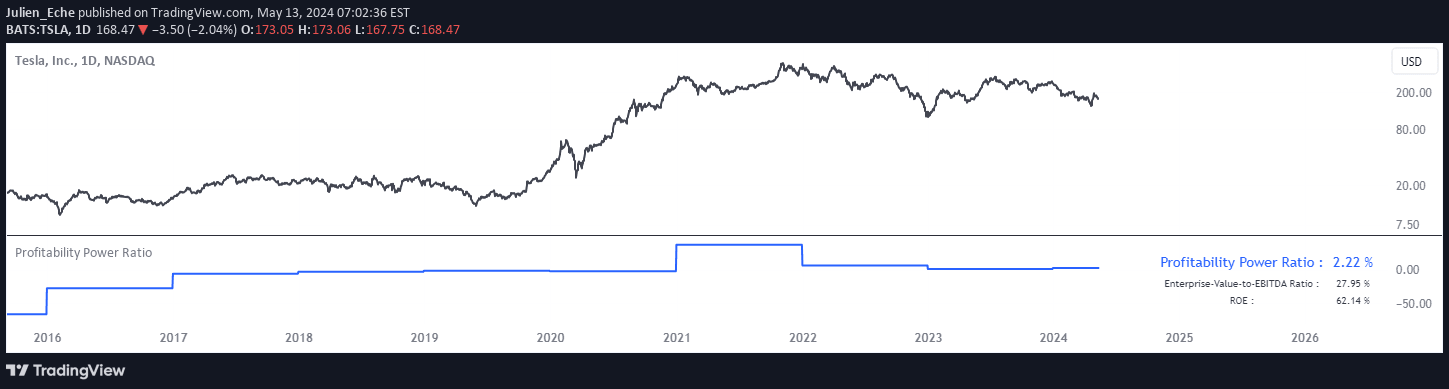
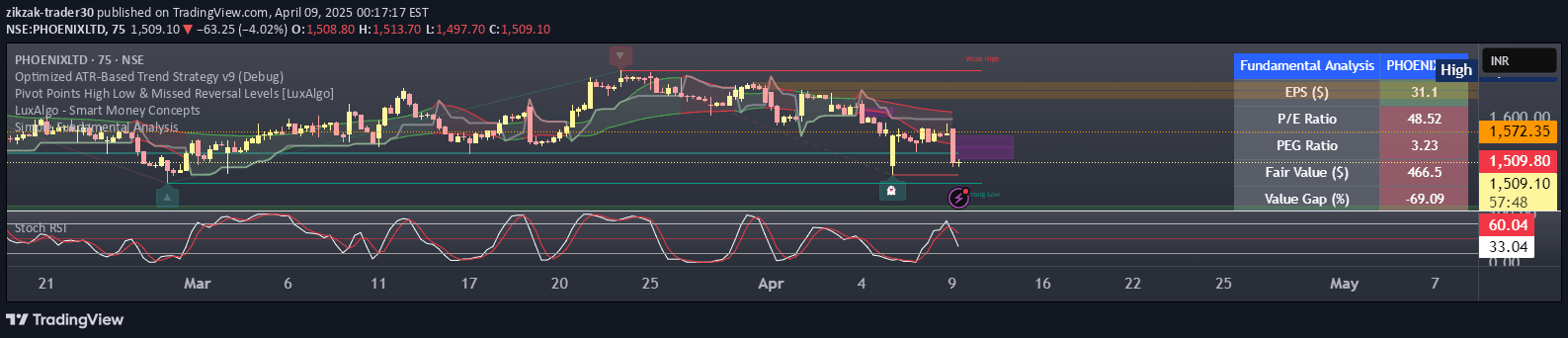
The PEG ratio evaluates stock valuation by comparing price, earnings per share, and expected company growth, providing insights into a stock's potential value relative to its growth trajectory.
Explore complementary indicator rolesHow it works
The PEG ratio is calculated by dividing a stock's price-to-earnings (P/E) ratio by its expected earnings growth rate. A lower PEG ratio suggests the stock might be undervalued, while a higher ratio indicates potential overvaluation. Investors compare the PEG ratio across companies in the same industry to assess relative value and growth potential.
By incorporating expected future growth into the valuation metric, the PEG ratio provides a more dynamic assessment than the traditional P/E ratio. It helps investors understand not just current earnings, but the anticipated trajectory of those earnings, offering a more nuanced view of a company's investment potential.
Why it may be useful
The PEG ratio is crucial for investors seeking to understand a stock's true value beyond its current price and earnings. It helps identify potentially undervalued stocks by considering future growth expectations, which can reveal investment opportunities that might be missed by traditional valuation methods.
By balancing current price, earnings, and projected growth, the PEG ratio provides a more comprehensive investment analysis. It allows investors to make more informed decisions by comparing stocks across different sectors and growth stages, helping to identify stocks that offer the best potential return relative to their growth prospects.
When to explore it
The PEG ratio is most effective when analyzing growth stocks and comparing companies within the same industry or sector. It works best for investors with a medium to long-term investment horizon who are interested in understanding a company's potential for future earnings growth and value appreciation.
Investors should use the PEG ratio in conjunction with other fundamental and technical analysis tools to make comprehensive investment decisions. It is particularly useful when evaluating technology, healthcare, and other sectors with high growth potential, where traditional valuation metrics might not fully capture a company's future prospects.
Keep exploring
What we’ve verified
Access, alerts and repainting behaviour have not been independently verified for this indicator. Check the creator’s current publication and settings.
General descriptions and classifications are recovered research. Verified details above identify the specific checks we have completed. Check the creator’s current publication for later changes.