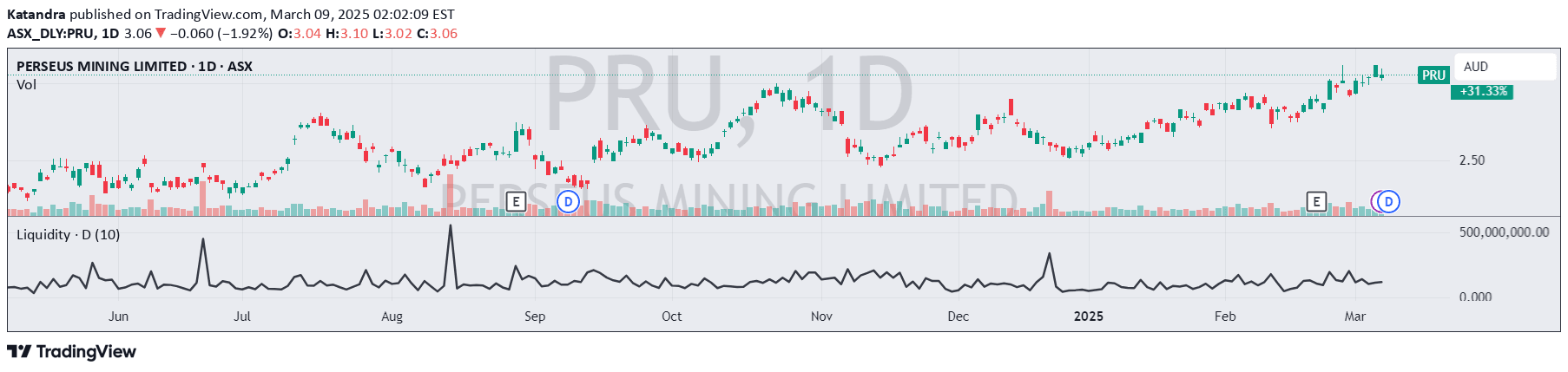
A liquidity indicator that measures daily trading value to ensure sufficient volume for easy trade entry and exit. Helps traders assess stock tradability by analyzing average daily traded value.
Explore complementary indicator rolesHow it works
The liquidity indicator calculates the average daily trading value by multiplying price and volume over a specified period, typically 10 periods. Traders can adjust the timeframe from 5 periods for a week to 65 periods for a quarter, allowing flexibility in analyzing trading volume.
By comparing the average daily trading value against a predetermined threshold, such as 10 times the moving average of close price multiplied by volume, traders can determine whether a stock has sufficient liquidity for their trading strategy.
Why it may be useful
This indicator is crucial for managing trading risk, especially in small and micro-cap stocks where liquidity can be limited. By ensuring adequate trading volume, investors can minimize the potential for execution errors and unexpected price slippage during trade entry and exit.
Understanding daily trading value helps traders protect their capital by avoiding stocks with insufficient market activity, which could lead to challenges in buying or selling positions at desired prices.
When to explore it
The liquidity indicator is most effective when evaluating stocks with potentially lower trading volumes, such as small-cap or emerging market securities. Traders should use this signal before initiating any trade to confirm the stock's tradability and potential ease of transaction.
It is particularly valuable during volatile market conditions or when considering less frequently traded securities, helping investors make more informed decisions about market entry and exit points.
Keep exploring
What we’ve verified
Access, alerts and repainting behaviour have not been independently verified for this indicator. Check the creator’s current publication and settings.
General descriptions and classifications are recovered research. Verified details above identify the specific checks we have completed. Check the creator’s current publication for later changes.