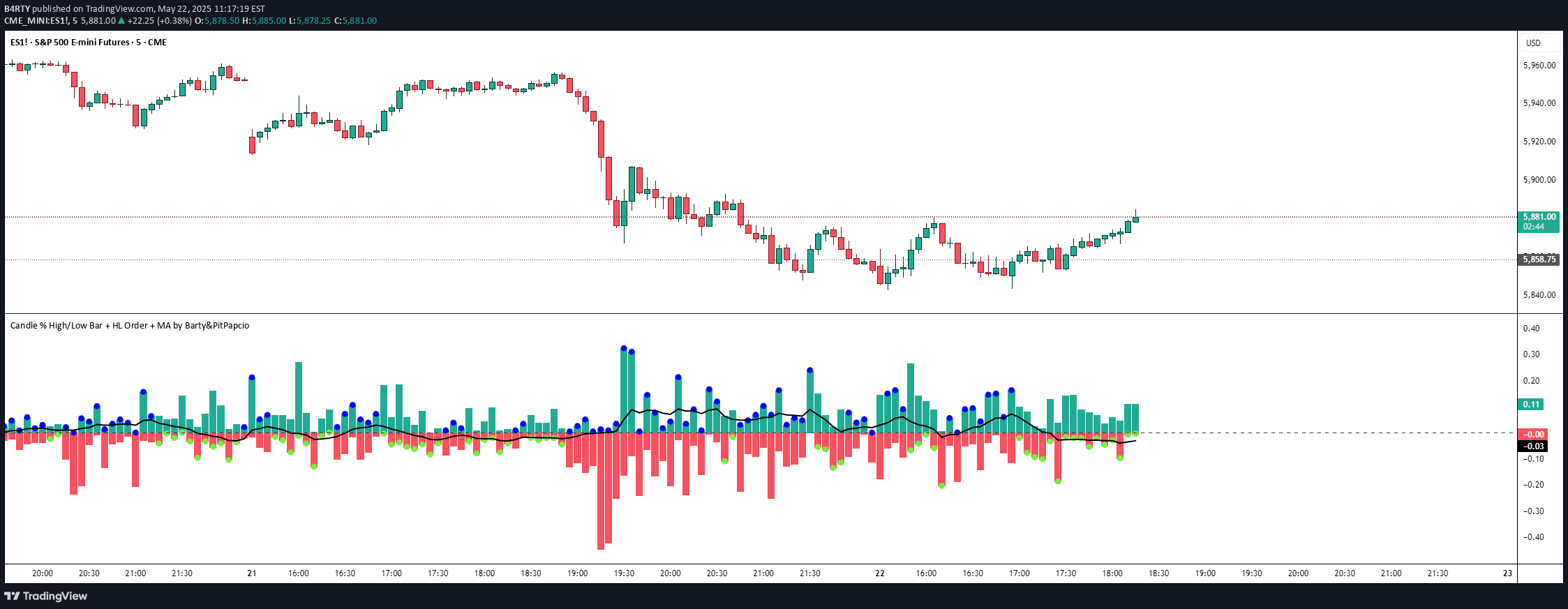
Inside Bar signal identifies potential price breakouts or reversals by analyzing candlestick patterns across multiple timeframes, helping traders make strategic entry and exit decisions.
Explore complementary indicator rolesHow it works
The Inside Bar signal works by identifying a smaller candlestick (inside bar) that is completely contained within the previous larger candlestick (mother bar). Traders look for these patterns in trending markets or at key chart levels.
The signal involves placing a buy stop or sell stop at the high or low of the mother bar. When price breaks above or below the mother bar, the entry order is triggered. Stop loss is typically placed at the opposite end of the mother bar or near its midpoint, depending on the bar's size and market conditions
Why it may be useful
The Inside Bar signal matters because it provides traders with a structured approach to identifying potential market reversals and breakouts. It helps traders capture price movements by offering clear entry and exit points based on price action.
The signal is versatile, allowing traders to use it in both trending and counter-trending markets. By combining price action analysis with other technical indicators, traders can improve their decision-making process and potentially increase their trading accuracy
When to explore it
The Inside Bar signal works best in trending markets with clear directional movement. It is particularly effective when used on timeframes longer than one hour. Traders should look for these patterns near key chart levels, such as support and resistance zones, or when using moving averages like the 20/50 EMA.
The signal is most reliable when confirmed by other technical indicators and when the trader has a solid understanding of market context. Day traders and swing traders can benefit from this pattern across various financial instruments
Keep exploring
What we’ve verified
Access, alerts and repainting behaviour have not been independently verified for this indicator. Check the creator’s current publication and settings.
General descriptions and classifications are recovered research. Verified details above identify the specific checks we have completed. Check the creator’s current publication for later changes.