RSI is a momentum indicator measuring price changes to identify potential overbought or oversold market conditions and trend reversals in securities.
Explore complementary indicator rolesHow it works
The Relative Strength Index calculates price momentum by comparing recent gains and losses over a specified time period, typically 14 days. It generates a value between 0 and 100, which represents the strength and speed of price movements in a security.
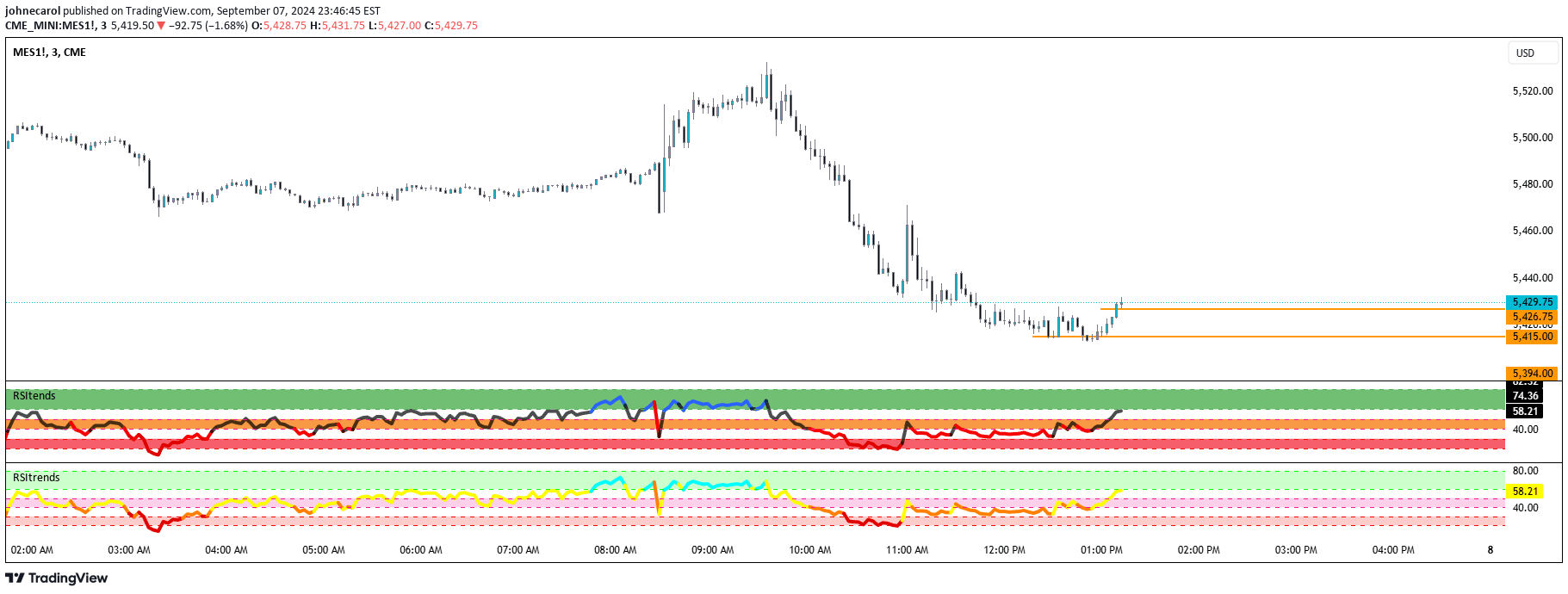
When prices rise rapidly, the RSI increases, indicating strong bullish momentum. Conversely, when prices fall quickly, the RSI decreases, signaling bearish momentum. Traders use specific threshold levels like 70 and 30 to identify potential overbought and oversold conditions in the market.
Why it may be useful
The RSI provides traders with crucial insights into market sentiment and potential trend reversals by measuring price momentum and identifying extreme market conditions. It helps traders make informed decisions about potential entry and exit points in their trading strategies.
By revealing whether a security is overbought or oversold, the RSI enables traders to anticipate potential price corrections and adjust their trading approach accordingly. This makes it a valuable tool for understanding market dynamics and managing trading risks.
When to explore it
The RSI is most effective in markets with clear trending or ranging conditions, where price movements show consistent patterns of acceleration or deceleration. Traders can use it across various timeframes, from short-term scalping to longer-term swing trading strategies.
It works best when combined with other technical indicators and analysis methods to confirm potential trading signals. Traders should be cautious of false signals and use the RSI as part of a comprehensive trading approach that includes risk management and broader market context.
Keep exploring
What we’ve verified
Access, alerts and repainting behaviour have not been independently verified for this indicator. Check the creator’s current publication and settings.
General descriptions and classifications are recovered research. Verified details above identify the specific checks we have completed. Check the creator’s current publication for later changes.