An advanced stop-loss strategy that uses volume, price, and volatility to dynamically adjust stop-loss levels, helping traders manage risk by considering individual security characteristics.
Explore complementary indicator rolesHow it works
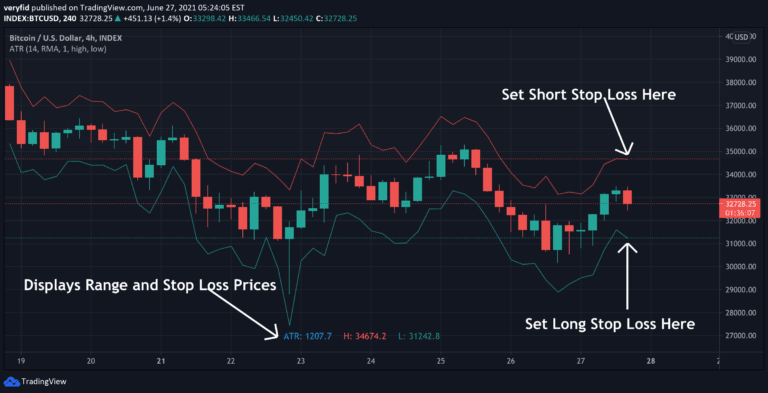
The Anti-Volume Stop Loss (AVSL) calculates a dynamic stop-loss point by integrating Bollinger Bands, volume price characteristics, and market volatility. It uses a complex formula that considers security-specific low prices, volume price confirmation indicator (VPCI), and standard deviation.
The methodology adjusts the stop-loss level based on the security's individual price-volume relationship, providing a more nuanced risk management approach that adapts to each traded instrument's unique behavior
Why it may be useful
AVSL provides traders with an objective, quantitative method for determining exit points, eliminating emotional decision-making. By incorporating volatility and volume analysis, it offers a more sophisticated risk management approach compared to static percentage-based stop-losses.
The method allows traders to tailor their risk management to each specific security, considering its unique price and volume characteristics, thus potentially preserving more capital during market fluctuations
When to explore it
AVSL works best for traders seeking a dynamic, data-driven stop-loss strategy across different investment timeframes. It is particularly effective for securities with significant price volatility and complex volume characteristics.
Traders can apply this method to stocks, ETFs, and other financial instruments where traditional fixed-percentage stop-losses might be too rigid. The indicator is most valuable when market conditions are complex and require a more nuanced risk management approach
Keep exploring
What we’ve verified
Access, alerts and repainting behaviour have not been independently verified for this indicator. Check the creator’s current publication and settings.
General descriptions and classifications are recovered research. Verified details above identify the specific checks we have completed. Check the creator’s current publication for later changes.