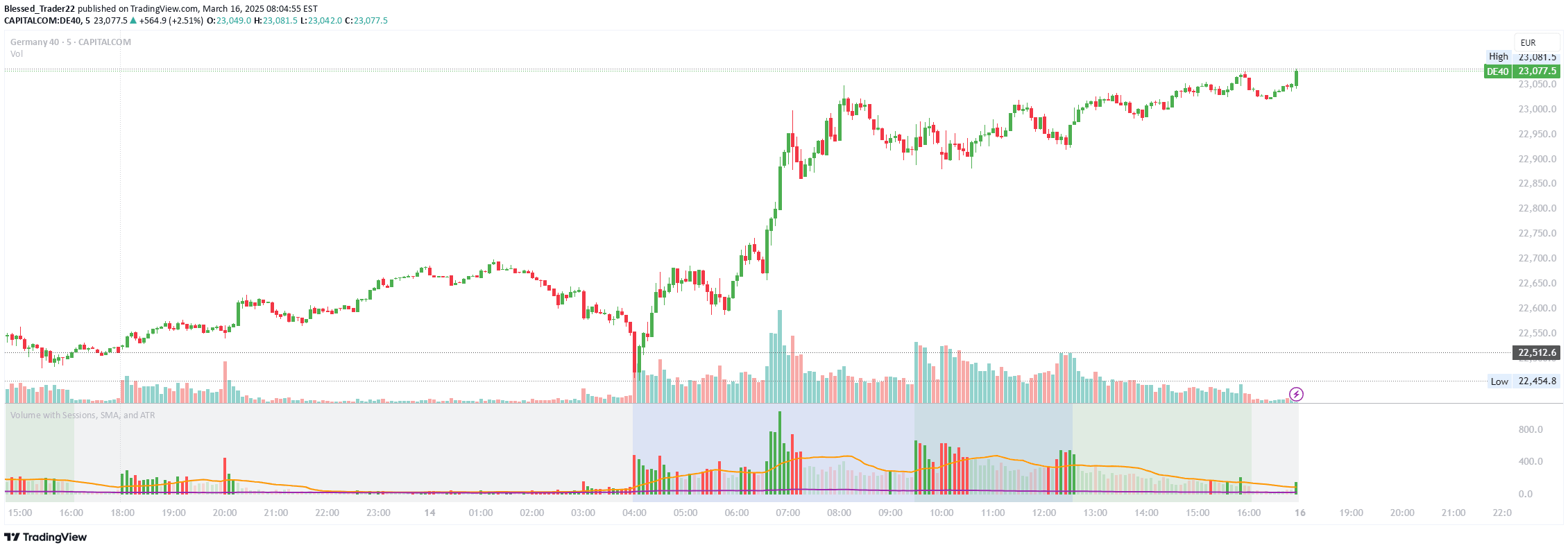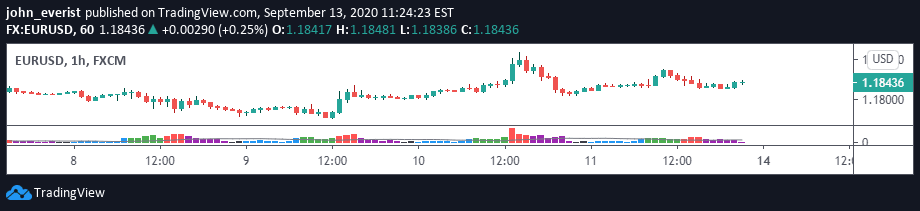
A volume indicator that separates trading volume by market session, comparing each session's volume to its historical average to provide context-specific volume analysis.
Explore complementary indicator rolesHow it works
The indicator segments volume data by specific trading sessions like London, New York, or Asian markets. It calculates a moving average unique to each session by considering only previous instances of that specific session. This means the London session average is calculated solely from past London session volumes, excluding other market sessions.
The moving average helps traders understand how current session volume compares to historical performance. The indicator works effectively up to 1-hour timeframes, with limitations below 5-minute intervals due to data constraints
Why it may be useful
Traditional volume indicators often fail to provide nuanced insights across different market sessions. By isolating and comparing volume within specific trading sessions, traders can gain a more precise understanding of market activity.
This approach helps identify unusual volume patterns, potential trend strength, and session-specific trading dynamics. Traders can detect whether current session volume is significantly higher or lower than historical averages, which could signal important market shifts or trading opportunities
When to explore it
This volume indicator is most effective for traders actively monitoring multiple market sessions or trading instruments with distinct regional trading times. It provides valuable insights during key market transition periods, such as London-New York session overlaps or when significant economic news is expected.
Traders can use this tool to compare current session volume against historical benchmarks, helping to identify potential trend confirmations, reversals, or unusual market conditions
Keep exploring
What we’ve verified
Access, alerts and repainting behaviour have not been independently verified for this indicator. Check the creator’s current publication and settings.
General descriptions and classifications are recovered research. Verified details above identify the specific checks we have completed. Check the creator’s current publication for later changes.