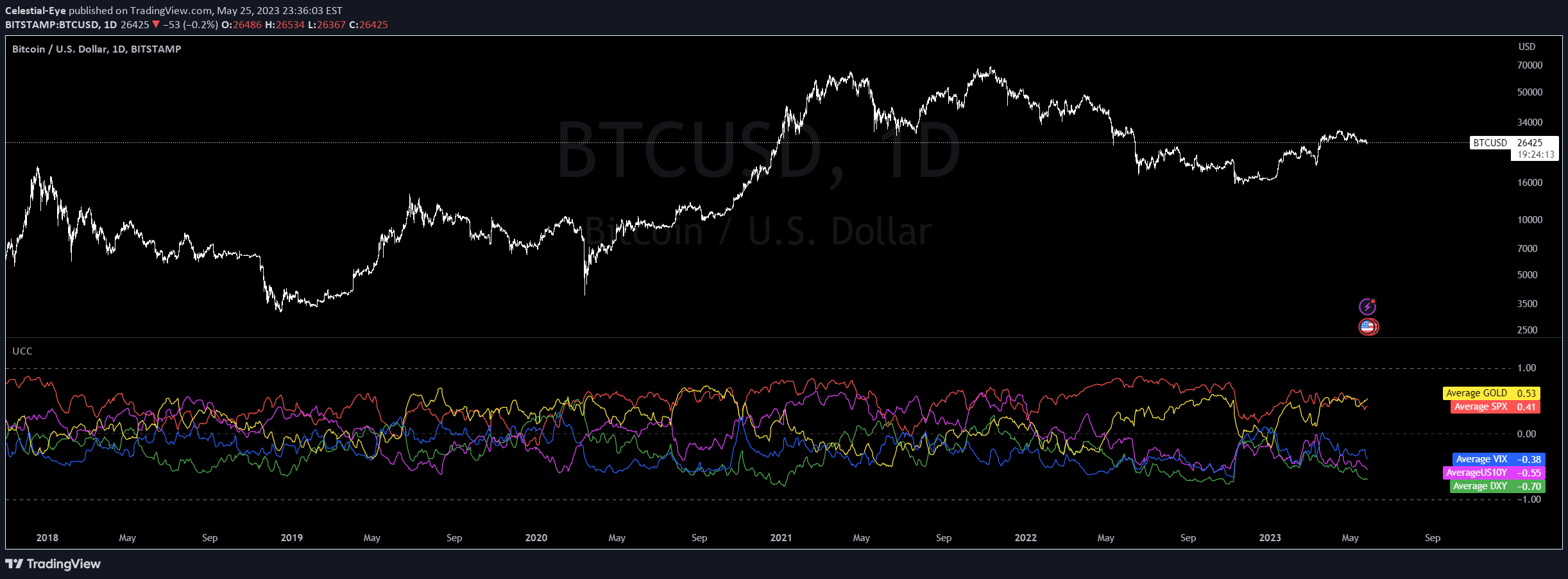
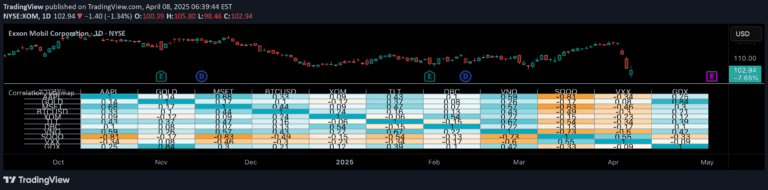
Log returns analyze price changes statistically, providing more reliable and consistent measurements of asset price movements compared to raw prices or simple returns.
Explore complementary indicator rolesHow it works
Log returns are calculated by taking the natural logarithm of the ratio of current and previous asset prices, transforming raw price data into a statistically more meaningful format. This mathematical technique converts absolute price changes into relative percentage movements, allowing for more standardized comparisons across different assets and markets.
By using logarithmic calculations, log returns normalize price changes, making them more suitable for statistical analysis and modeling. They effectively smooth out extreme price variations and provide a more consistent representation of asset performance, enabling traders and analysts to make more accurate assessments of market behavior.
Why it may be useful
Log returns are crucial for financial analysis because they offer a more statistically robust method of understanding price movements, reducing the impact of outliers and extreme price fluctuations. They provide a normalized perspective that allows for more meaningful comparisons between different financial instruments, regardless of their individual price scales or volatility levels.
By transforming price data into a more standardized format, log returns enable more accurate risk assessment, portfolio optimization, and quantitative modeling. They help traders and researchers develop more sophisticated trading strategies and statistical models that can better predict and understand market dynamics.
When to explore it
Log returns are most effective when analyzing financial time series data that require statistical rigor and comparability across different assets or markets. They are particularly useful in scenarios involving portfolio analysis, risk management, and developing quantitative trading strategies that demand precise mathematical representations of price changes.
Traders and analysts should leverage log returns when conducting research involving multiple assets, performing time series analysis, or developing algorithmic trading models that require statistically sound data transformations. They are especially valuable in academic and professional financial research where mathematical precision and statistical validity are paramount.
Keep exploring
What we’ve verified
Access, alerts and repainting behaviour have not been independently verified for this indicator. Check the creator’s current publication and settings.
General descriptions and classifications are recovered research. Verified details above identify the specific checks we have completed. Check the creator’s current publication for later changes.