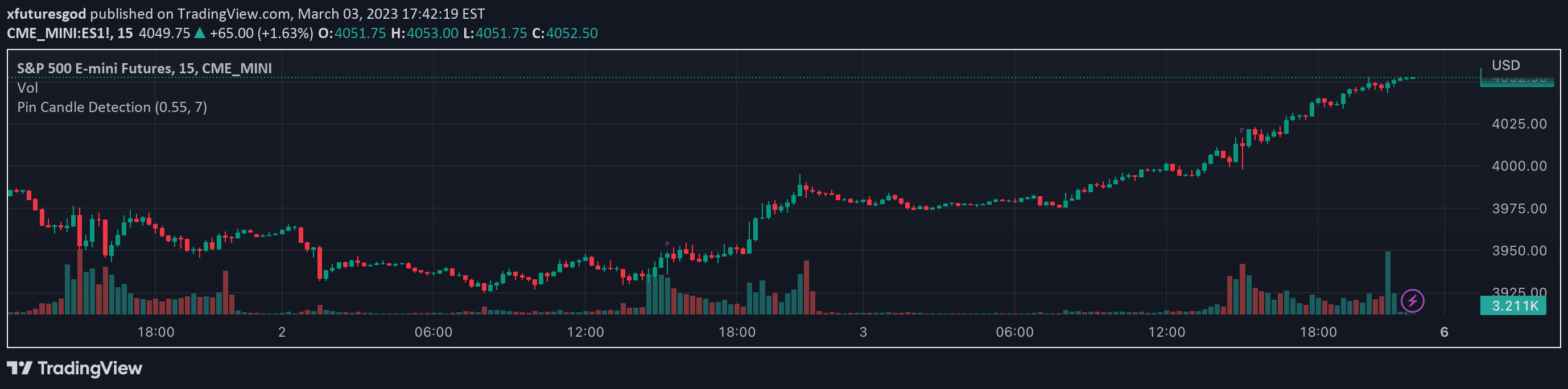
A trading strategy identifying potential long entries by detecting price action scenarios where an initial low is undercut and then reclaimed with specific momentum conditions.
Explore complementary indicator rolesHow it works
The Failed Breakdown Detection (FBD) strategy operates by first identifying a significant pivot low as the initial reference point. It then monitors for a new low that undercuts this initial pivot low, which creates a potential entry setup.
After detecting the new low, the strategy requires a subsequent price movement that reclaims the initial low by at least 8-10 points within a limited number of bars. This reclamation must occur as a green candle, signaling potential bullish momentum and a potential reversal of the downward price trend.
Why it may be useful
This signal provides traders with a structured approach to identifying potential trend reversals and entry points during market pullbacks. By systematically detecting and quantifying price action dynamics, it offers a disciplined method for entering long positions with defined entry criteria.
The strategy's strength lies in its ability to capture moments where sellers have potentially exhausted their momentum, and buyers are reasserting control. This approach helps traders manage risk by providing clear, objective parameters for trade entry.
When to explore it
The Failed Breakdown strategy is most effective in markets with moderate volatility and clear trending characteristics. It works best during active trading hours, particularly in liquid instruments like ES Futures where price movements are more predictable.
Traders should apply this signal during periods of consolidated or ranging markets where sharp reversals are more likely. It is particularly useful when combined with other technical analysis tools and when traders can actively monitor price action in real-time.
Keep exploring
What we’ve verified
Access, alerts and repainting behaviour have not been independently verified for this indicator. Check the creator’s current publication and settings.
General descriptions and classifications are recovered research. Verified details above identify the specific checks we have completed. Check the creator’s current publication for later changes.