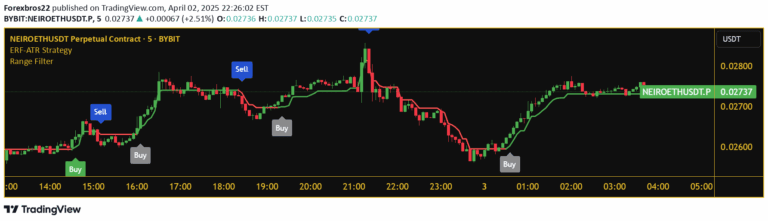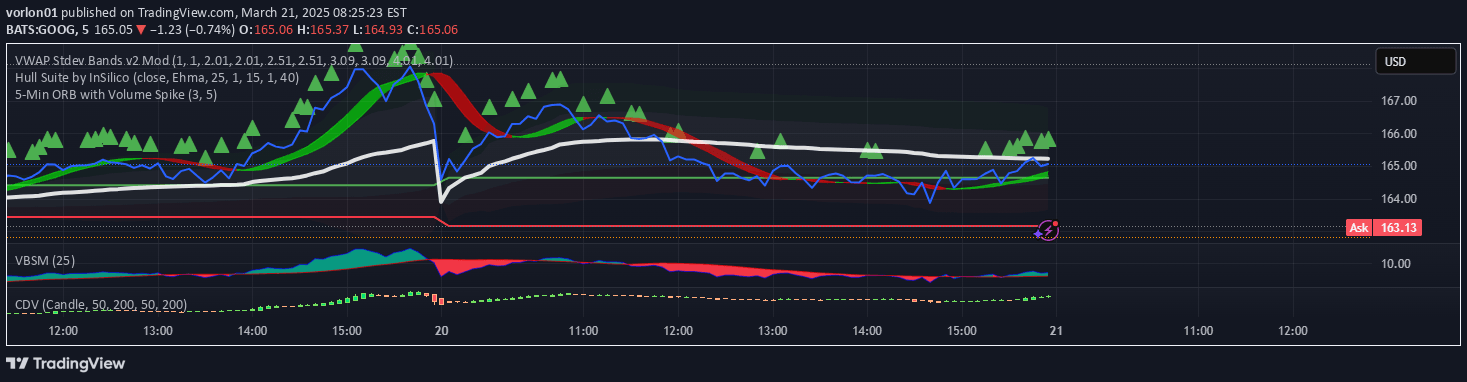
Opening Range Breakout (ORB) indicator identifies early trading session momentum by tracking the first 5-minute price range and confirming breakouts with volume analysis.
Explore complementary indicator rolesHow it works
The indicator first establishes the opening range by capturing the high and low prices between 9:30 AM and 9:35 AM. It then plots green and red lines representing these extreme points across the chart. When price breaks above the opening range high or below the opening range low, the indicator generates a signal.
Volume confirmation is crucial, using a 20-period simple moving average (SMA) of volume to validate the breakout strength. This approach helps traders identify potential momentum-driven moves early in the trading session
Why it may be useful
Opening Range Breakout provides traders with a structured approach to capturing early market momentum. By quantifying the initial trading range, it offers a clear framework for identifying potential trend direction.
The volume confirmation adds an extra layer of validation, helping traders distinguish between random price movements and meaningful breakouts. This method can reveal institutional activity and trader sentiment during the critical first minutes of market trading
When to explore it
The ORB strategy works best with highly liquid, volatile instruments like major market ETFs or index futures. It is most effective during the U.S. equity market open, particularly on 5-minute or lower timeframe charts. Traders should use this indicator when seeking early momentum signals with volume confirmation. It's particularly useful for active day traders who want to capitalize on initial market movements
Keep exploring
What we’ve verified
Access, alerts and repainting behaviour have not been independently verified for this indicator. Check the creator’s current publication and settings.
General descriptions and classifications are recovered research. Verified details above identify the specific checks we have completed. Check the creator’s current publication for later changes.