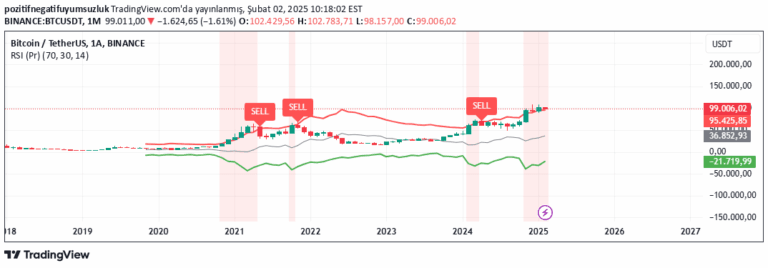
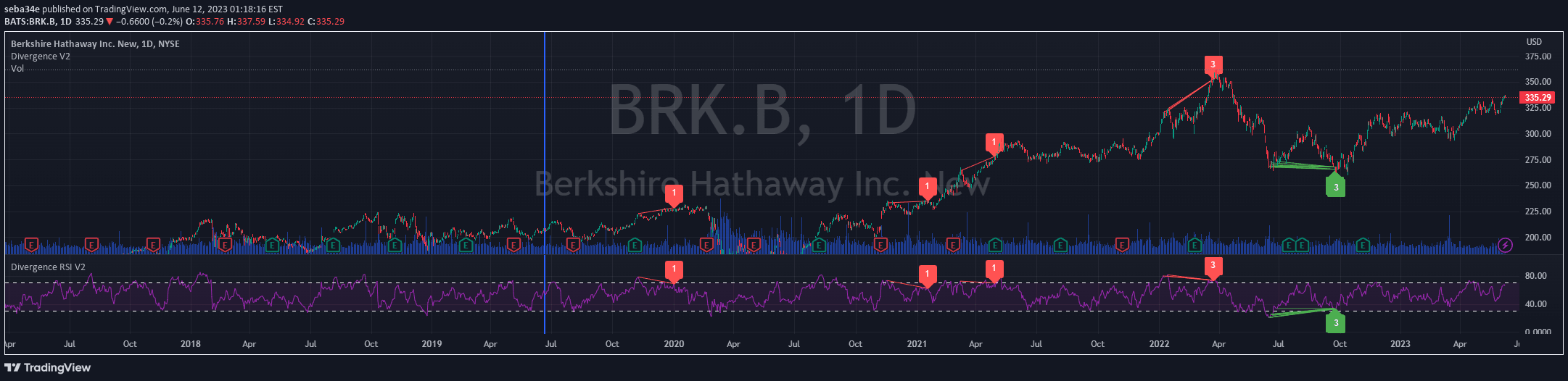
A multi-timeframe RSI scanner that identifies stocks simultaneously oversold on 1-minute, 5-minute, and 15-minute charts, providing traders with potential short-term reversal opportunities.
Explore complementary indicator rolesHow it works
The RSI Oversold Scanner uses the Relative Strength Index (RSI) to analyze multiple timeframes simultaneously. It calculates the RSI value on 1-minute, 5-minute, and 15-minute charts, comparing each to a predefined oversold threshold of 30.
The script leverages TradingView's request.security function to fetch RSI data across different timeframes. When all three timeframes show RSI values below the oversold level, the script generates a visual signal and can trigger an alert, helping traders identify potential trading opportunities quickly.
Why it may be useful
Multi-timeframe analysis provides traders with a more comprehensive view of market conditions, reducing the risk of false signals. By examining RSI across different timeframes, traders can confirm oversold conditions with greater confidence and precision.
The scanner's ability to simultaneously assess multiple timeframes enables traders to make more informed decisions. It eliminates the need for manual cross-referencing and provides an instant, visual representation of potential trading opportunities, saving time and reducing cognitive load.
When to explore it
This scanner is most effective during volatile market conditions where quick, short-term trading opportunities are prevalent. It is particularly useful for day traders and scalpers looking to capitalize on rapid price reversals in oversold stocks.
Traders should use this tool in conjunction with other technical indicators and fundamental analysis to validate signals. It works best in liquid markets with high trading volumes, where price movements are more predictable and RSI signals are more reliable.
Keep exploring
What we’ve verified
Access, alerts and repainting behaviour have not been independently verified for this indicator. Check the creator’s current publication and settings.
General descriptions and classifications are recovered research. Verified details above identify the specific checks we have completed. Check the creator’s current publication for later changes.